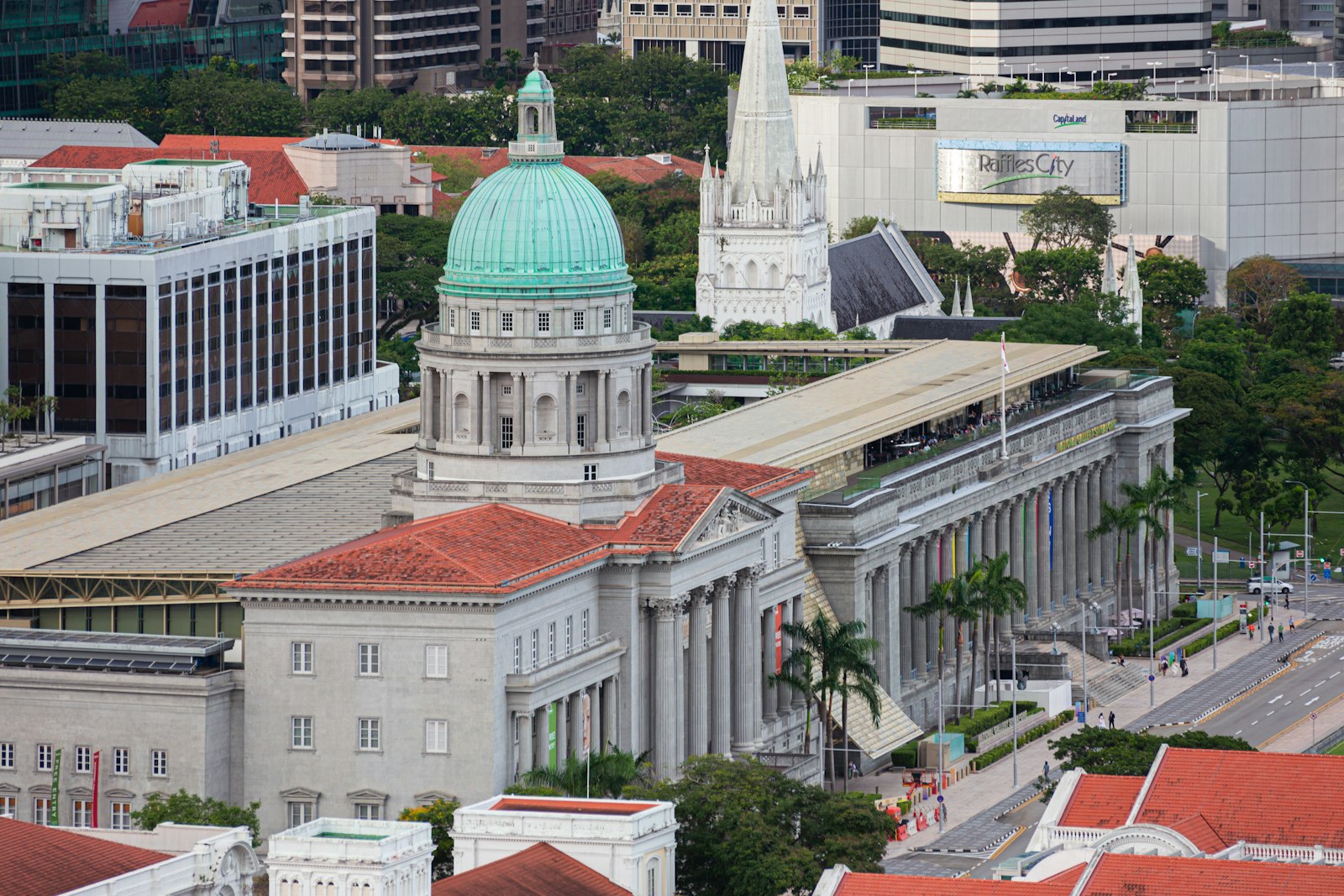
Singapore's arts infrastructure has matured dramatically over the past decade — from an afterthought in the global conversation about cultural cities to a genuine destination for collectors, curators, and institutions. The National Gallery Singapore, housed in the former Supreme Court and City Hall, holds the world's largest public collection of Southeast Asian art. The ArtScience Museum at Marina Bay Sands delivers international blockbuster exhibitions. And Gillman Barracks has become one of Asia's most concentrated gallery clusters.
The institutional anchor: National Gallery
The National Gallery is the most significant investment Singapore has made in cultural infrastructure — a $530 million conversion of two national monument buildings into 64,000 square metres of gallery space. For residents of the Marina Bay and CBD districts, it functions as a world-class cultural institution accessible on foot. The quality of the permanent collection and the calibre of international exhibitions it attracts have established the gallery as a peer of institutions in London and Paris, not merely by Southeast Asian standards.
The Esplanade, adjacent on the waterfront, completes the picture for performing arts — hosting world-class theatre, music, and dance year-round in a venue that has become an architectural emblem of the city.
"Singapore's art scene is no longer politely competent. It is genuinely ambitious — and the infrastructure to sustain that ambition is now in place."
The National Gallery Singapore spans 64,000 square metres — making it one of the largest visual art museums in Southeast Asia and a true peer of international institutions
Gillman Barracks and the collector community
Gillman Barracks, a repurposed colonial military compound in the Alexandra corridor, houses international galleries including Mizuma, Sullivan+Strumpf, and several other names recognised by serious collectors. Art Stage Singapore and Singapore Art Week bring further institutional activity annually. The collector community that has developed around this infrastructure — primarily drawn from the wealth management and family office world that has made Singapore its hub — sustains a private market of genuine depth.
For buyers who collect, or who intend to, Singapore's cultural infrastructure is a meaningful quality-of-life factor — and one that has improved substantially in the past decade with no sign of reversal.
Want to explore how Singapore's lifestyle fits your priorities? Let's have a conversation.