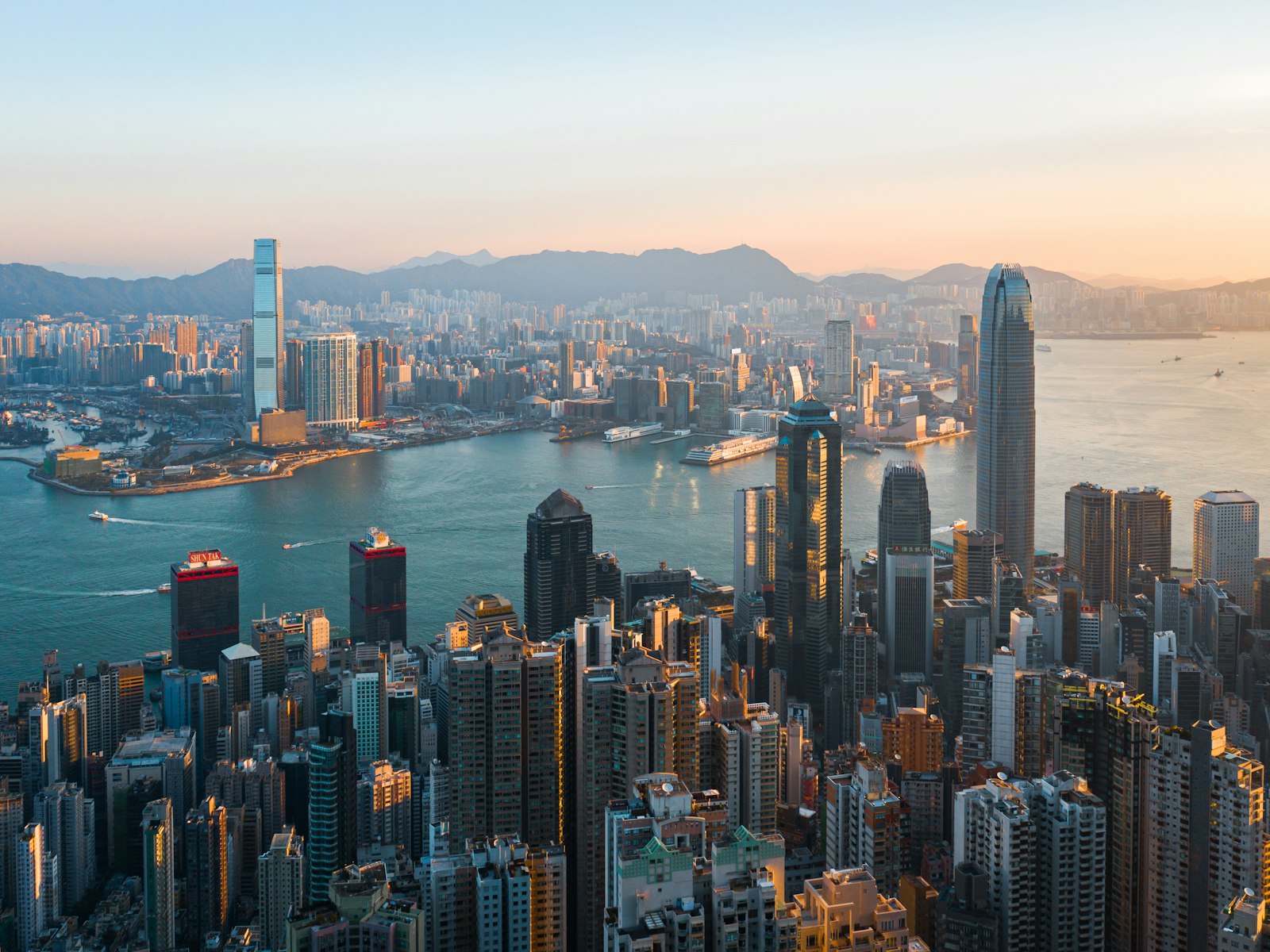
Since 2022, Singapore has absorbed a significant and sustained share of ultra-high-net-worth capital that would, in a previous era, have found its home in Hong Kong. Family offices, private wealth mandates, and direct property acquisitions have all reflected this structural shift. The question is no longer whether Singapore has gained at Hong Kong's expense — the data makes that clear. The more interesting question is whether the shift is permanent, and what it means for Singapore's prime residential market over the next decade.
What the data shows
The number of family offices established under Singapore's Variable Capital Company (VCC) framework has grown dramatically since 2020, with a significant proportion linked to families with existing or historical Hong Kong connections. Ultra-prime residential transactions — units above $10 million — have sustained elevated volumes even as overall market activity has moderated under cooling measures. Prime rental demand has been a beneficiary too, with a cohort of relocated executives and principals driving rental growth at the top end of the market.
Hong Kong, meanwhile, has seen a meaningful net outflow of ultra-high-net-worth individuals. While recent policy adjustments in Hong Kong have attracted some renewed interest, the structural reallocation of wealth management infrastructure toward Singapore appears durable rather than cyclical.
"Singapore didn't win the competition for Asian wealth because it got lucky. It won because it built the infrastructure — legal, financial, and residential — that wealthy families need to operate."
Family offices registered in Singapore as of 2025, up from fewer than 400 in 2020 — many with direct residential property requirements
Why the shift is structural, not cyclical
The drivers of Singapore's gain are not primarily political — though political risk perceptions have played a role. More fundamentally, Singapore has spent two decades building the legal, regulatory, and financial infrastructure that ultra-high-net-worth families require: independent judiciary, robust trust law, double taxation agreements, a deep pool of private banking and legal talent, and international school options that rival London and New York.
Wealth, once embedded in an ecosystem, is sticky. Family offices don't relocate casually. The principals who have moved their primary operational base to Singapore, enrolled children in local schools, and established residential ties are not going to reverse that decision easily — regardless of how Hong Kong's policy environment evolves.
The property implication
For Singapore's prime residential market, the family office influx has two effects. The first is direct demand — principals and their key staff require high-quality accommodation, and the preference is strongly toward freehold, prime district properties. The second effect is indirect: the concentration of ultra-wealthy individuals in Singapore creates network density that attracts further investment, further talent, and further demand. The compounding effect on prime property is real.
It also means Singapore's prime market is now benchmarked against a global peer set — London, New York, Monaco, Geneva — rather than just regional comparisons. When you look at what a comparable square meterage of prime residential costs in those cities, Singapore's prime district pricing, even post-appreciation, still appears relatively accessible.
What to watch
The risks to this thesis are policy-related. Singapore's government has demonstrated willingness to intervene in the property market when it deems prices to be running ahead of fundamentals. A further increase in ABSD, a tightening of family office incentives, or a change in the VCC regulatory environment could each dampen the structural demand tailwind. These risks are worth monitoring, but they are not sufficient reason to discount the long-term trajectory.
Planning a move to Singapore or looking to establish a residential presence? Let's talk about what you need.