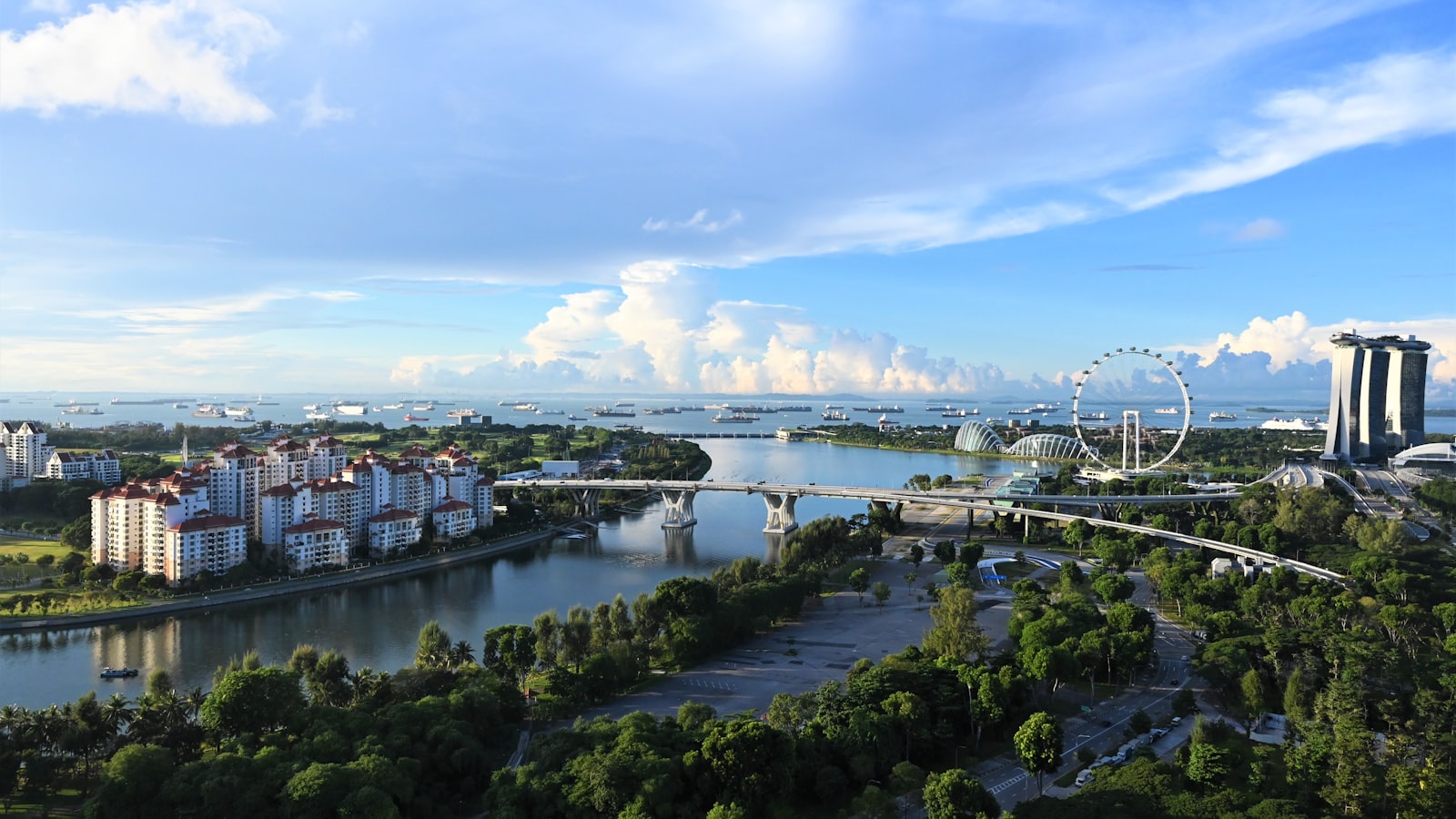
After years of subdued activity, transaction volumes at Sentosa Cove have picked up noticeably since late 2025. Prices on waterfront bungalows have firmed. Condo units in the island's mid-range have begun attracting interest from buyers who had previously overlooked the enclave. The question worth asking is whether this is a sustainable shift — or whether Sentosa Cove is experiencing a temporary reprieve before returning to its previous torpor.
Why Sentosa went quiet
Sentosa Cove's decade-long underperformance had multiple causes. The 2013 cooling measures hit the enclave particularly hard, since its buyer profile skewed heavily toward the foreign investors who faced the steepest ABSD increases. Oversupply — the estate was built out in a compressed window — combined with rising maintenance costs and a perception that the location was inconvenient for daily life created a narrative that was difficult to shake.
Rental yields compressed further as high-paying expat packages became less common in Singapore's changing employment landscape. For a market that had always depended on rental income to partially offset holding costs, this was a meaningful headwind.
"Sentosa was repriced by policy in 2013. What's happening now is a repricing by lifestyle — and that tends to be stickier."
What has changed
Several things have shifted, and they are not all temporary. First, the composition of Singapore's ultra-wealthy population has changed. Family offices and wealth management mandates have brought a cohort of buyers who value privacy, compound-style living, and the ability to berth a yacht at their doorstep. Sentosa Cove is one of the very few places in Singapore that offers all three — and it is finite.
Second, Sentosa Island itself has been actively repositioned. The expanded entertainment and hospitality offerings, combined with improved road connectivity, have made the island feel less isolated than it did in its early years. Residents report that daily life on Sentosa has become meaningfully more practical.
Year-on-year increase in Sentosa Cove transaction volume, Q4 2025 vs Q4 2024 (URA Realis)
Structural vs speculative
The honest answer is that the current momentum has elements of both. Some of the increased activity reflects genuine structural demand from a new buyer cohort that values what Sentosa uniquely offers. Some of it reflects a hunt for value — buyers who look at waterfront bungalows transacting at a fraction of what comparable properties would cost in Monaco, Sydney or London, and conclude that the discount is excessive.
The risk is that foreign buyer demand, which drives the upper end of the Sentosa market, remains sensitive to ABSD policy. A reduction in the foreign buyer ABSD would be transformative for Sentosa. Conversely, any further tightening would extend the headwinds. Policy risk is real and should be modelled into any purchase decision.
Who should be looking at Sentosa now
Sentosa Cove makes most sense for buyers who genuinely want to live there — who value the waterfront lifestyle, the privacy, and the community — rather than those underwriting primarily on capital gain expectations. For that buyer, current pricing offers an entry point that is well below historic peaks, with the optionality of meaningful upside if sentiment continues to improve.
Exploring Sentosa Cove options? Let's find the right fit for your lifestyle and investment goals.