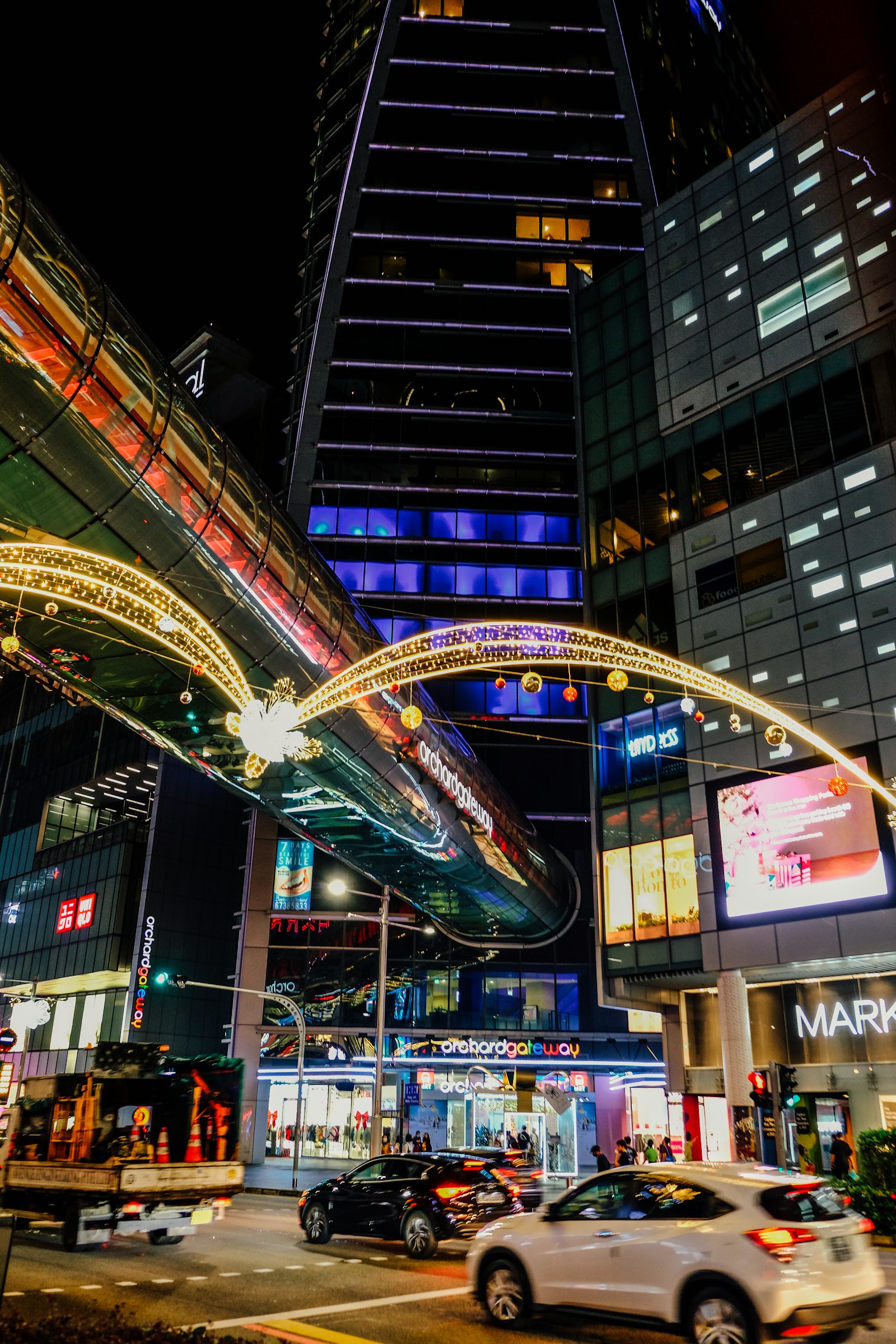
Despite higher interest rates and cooling measures introduced in 2023, freehold properties in Districts 9, 10 and 11 have maintained — and in some pockets, grown — their capital values. For buyers watching from the sidelines, this resilience may seem counterintuitive. Here's what's actually driving it, and what you need to know before the next wave of launches hits the market.
The supply story nobody is talking about
Freehold land in Singapore's prime districts is, for all practical purposes, finite. The government has not released significant freehold sites in Districts 9, 10 or 11 for years. What gets developed tends to be redevelopments of existing freehold plots — amalgamations of old apartments or conservation shophouses — and these processes are slow, expensive, and yield relatively few units.
The result is a structural undersupply that keeps prices sticky even when transaction volumes dip. When fewer than 300 freehold units are available for sale across the entire prime district at any given time, motivated buyers don't have the luxury of waiting for prices to fall.
"Freehold in District 10 isn't priced like property — it's priced like land. And Singapore simply isn't making more of it."
Who is actually buying
The buyer profile in the prime districts shifted notably after 2022. Ultra-high-net-worth individuals relocating from Hong Kong, along with family offices establishing Singapore as their base, have become a consistent source of demand. These buyers are largely indifferent to short-term rate movements — they are acquiring for generational wealth transfer, not yield optimisation.
Local upgraders and Singaporean PRs form the other significant cohort. With the Additional Buyer's Stamp Duty (ABSD) for Singapore citizens at 20% on second properties, many are making considered, long-term bets rather than speculative plays. This demographic does not panic-sell when rates rise.
Average capital value appreciation in D9/D10 freehold condominiums, Jan–May 2026 (URA Realis data)
The rate sensitivity myth
Higher interest rates do dampen affordability for leveraged buyers. But the prime freehold segment skews toward cash-heavy or lower-leverage transactions. Many ultra-prime units change hands with loan-to-value ratios well below 50%, and a meaningful proportion are all-cash deals. The rate sensitivity that hammers mass market segments simply has a muted effect here.
What rates do affect is investment-grade demand — buyers who underwrite on rental yield rather than capital growth. But prime freehold has rarely been positioned as a yield play. Gross rental yields in D9/D10 run at 2–3%, which was never the attraction. The appeal is capital preservation and the optionality that comes with a permanent landhold in one of the world's most stable jurisdictions.
What to watch in the second half of 2026
Three factors will shape prime district pricing for the remainder of the year. First, the pace of interest rate normalisation — any downward movement in SORA will provide a psychological boost, even if the fundamental demand drivers remain unchanged. Second, the pipeline of boutique freehold launches, several of which are expected in Cluny and Orchard before year-end. Third, the secondary market — watch en bloc activity, which tends to compress available supply further when it heats up.
If you are considering a prime freehold purchase, the window before the next batch of launches is arguably the quietest entry point you will get. Prices are not discounted, but neither are sellers in distress — meaning you can negotiate on terms rather than price.
The bottom line
Prime district freehold is not immune to macro conditions, but it operates by different rules than the broader residential market. Scarcity of supply, a buyer base that is structurally less rate-sensitive, and Singapore's continued position as a global wealth management hub all underpin a floor that has proven remarkably durable. The data bears this out — and for the right buyer, 2026 remains a window worth acting in.
Interested in exploring prime freehold options? Get in touch for a private consultation.